
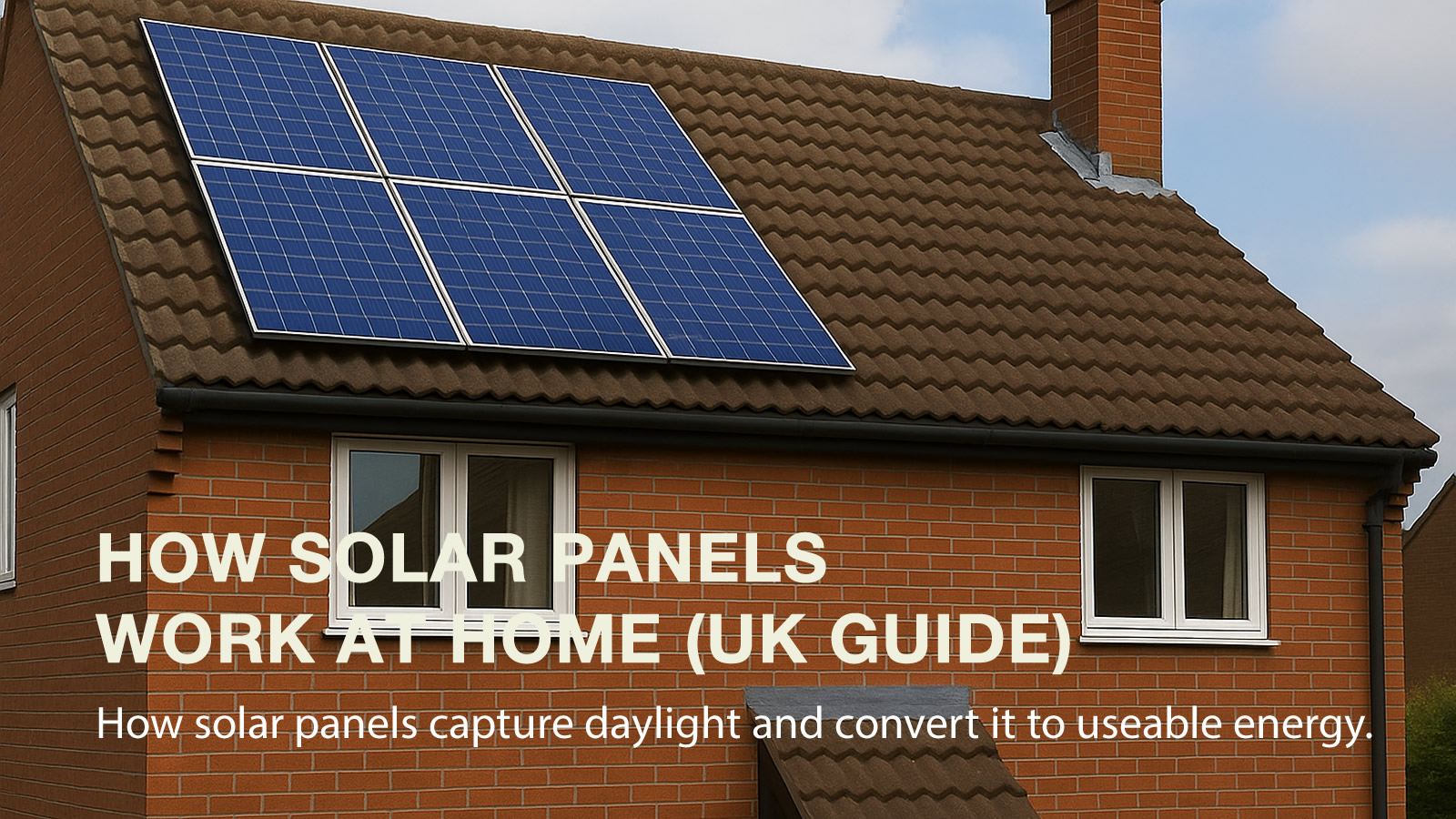
Solar energy is one of the simplest and most reliable ways for UK households to produce their own electricity at home. When you install solar panels on your roof, they quietly generate power from daylight, helping reduce your bills and dependence on the grid. This guide explains how a typical home solar system works from start to finish, without complicated jargon. Whether you are just starting to research solar or you want to understand how systems work behind the scenes, this guide gives you a clear foundation.
Many homeowners are surprised to learn how straightforward solar technology actually is. Solar panels have no moving parts, run silently, and turn daylight into electricity even when it is cloudy. Modern systems work well in the UK climate, and when combined with a battery, they can supply a significant share of your home energy needs. If you are curious about solar but feel overwhelmed by technical language or sales messages, this walkthrough is designed for you.
What happens on your roof
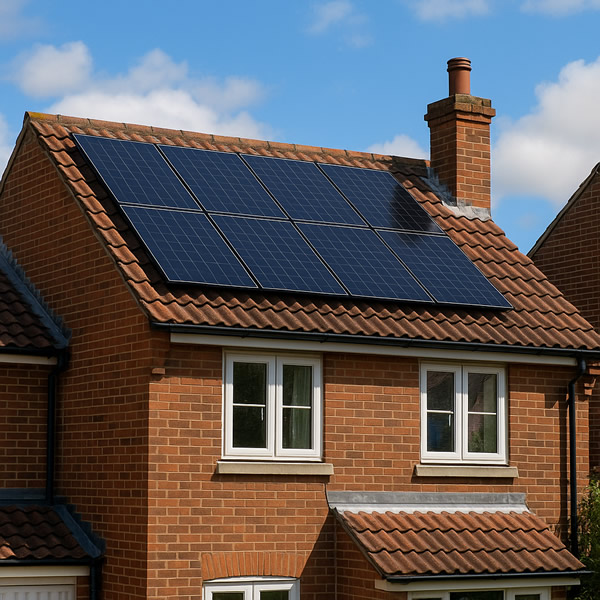
Solar panels are the most visible part of a home solar system. They sit on your roof and capture daylight using photovoltaic cells made from silicon. When daylight hits these cells, it creates a flow of electrical energy called direct current (DC). Many people picture blazing sunshine when they think of solar, but panels do not need hot sun to work. They operate whenever there is daylight, and they still generate electricity during cloudy and winter days. Bright sunny conditions simply increase output.
A typical UK installation might include 8 to 16 panels depending on the roof size, roof direction, and how much electricity your household uses. South facing roofs usually generate the most electricity, but east and west facing roofs can also work very well, providing a smoother spread of generation across the day. Even north facing roofs can work in some situations, although they generally produce less energy.
The panels are mounted on rails that attach securely to your roof structure. Modern brackets and flashing systems are designed to prevent leaks and withstand British weather conditions. Once installed, panels have a long lifespan and typically come with performance warranties of 20 to 25 years. They require minimal maintenance, and because there are no moving parts, there is very little that can go wrong.
When sunlight reaches the panel surface, electrons in the silicon are set in motion. That movement creates electrical energy. This is the basic principle of how solar panels work, and it has been proven for decades. Today, panels are more efficient and reliable than ever, meaning you get more usable electricity from the same roof area compared to earlier generations of technology.
Some roofs have shading from chimneys, trees, or nearby buildings. This can affect output, but modern systems often use power optimisers or microinverters to minimise losses. If shading affects one panel, optimised systems help keep the others generating at full power. During your quote process, installers will usually assess shading using software or satellite analysis so you understand expected performance.
Inverters, meters, and how solar powers your home
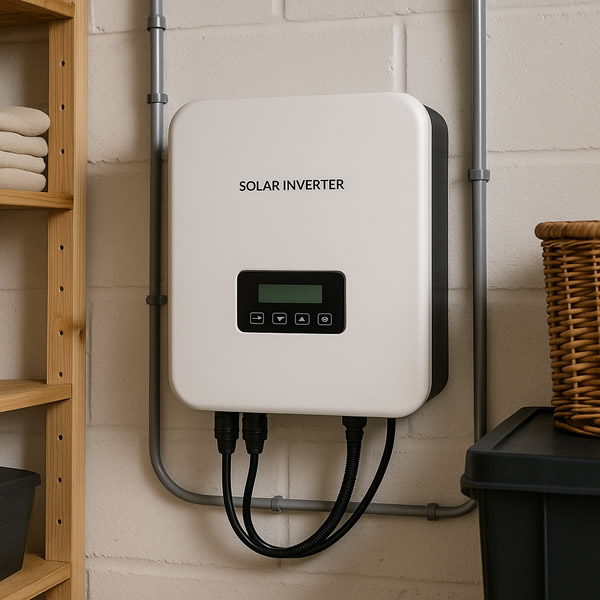
Although solar panels produce electricity, they do not create power in the format your home uses. Solar panels generate DC electricity, but household appliances use AC electricity. The inverter is the device that converts DC into AC, making your solar power safe and compatible with your home supply. Most inverters are installed in lofts, utility rooms, garages, or on a wall near your fuse board.
Once the DC power flows down from the roof into the inverter, it is converted instantly into usable electricity. This electricity is then fed into your home's consumer unit (fuse board), where it powers your appliances. If you boil a kettle, run the washing machine, or charge a laptop during daylight hours, your home will automatically use solar energy first before pulling electricity from the grid. You do not need to switch anything manually; the system prioritises solar power automatically.
If your panels produce more electricity than your home needs at that moment, the excess energy flows back to the national grid. Under the Smart Export Guarantee (SEG), energy suppliers pay households for this exported electricity. Rates vary between suppliers, and it is important to compare options because export rates can change over time. Your smart meter records exported electricity, and payments are usually made monthly or quarterly.
Inverters often come with monitoring systems that let you track your production in real time through a smartphone app. These apps show how much electricity your panels are generating, how much you are using, and how much you are exporting. This visibility helps many households become more aware of their energy habits, shifting some usage to daylight hours to maximise the value of their solar generation.
It is important to understand one key safety point. Most standard solar systems automatically shut down during a power cut. This is required by regulations to prevent electricity flowing into the grid during maintenance or emergencies. However, some battery systems include backup power features that allow your home to stay powered during outages. If this capability is important to you, ask installers specifically about backup power functions.
Pro tip: Export rates, inverter efficiency, and installation location can all influence system performance. Request quotes from multiple installers, compare export tariffs, and ask each company to explain inverter placement and system monitoring features clearly before deciding.
Battery storage explained
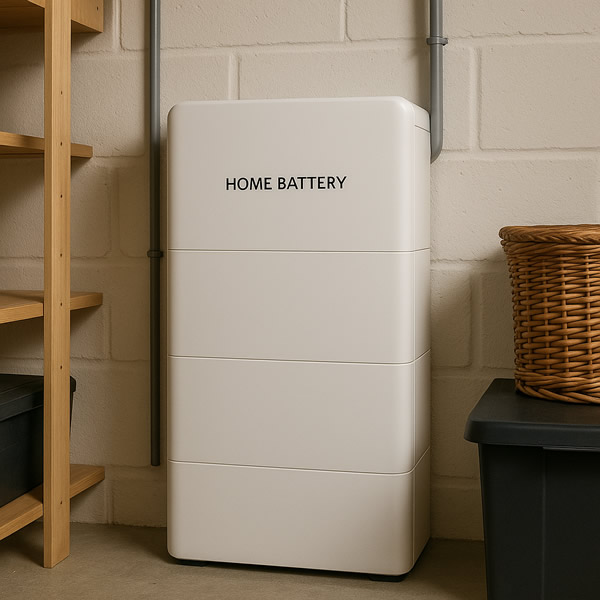
A solar battery stores excess energy generated during the day so you can use it later. Without a battery, surplus energy is exported back to the grid. With a battery, you keep more of your own solar power, meaning you buy less energy from your supplier in the evenings. Battery storage is one of the biggest changes in home energy over the past decade, and it has made solar far more flexible for everyday use.
Battery capacity is measured in kilowatt hours (kWh). A typical UK household might choose between 5 kWh and 15 kWh depending on energy usage. Small flats, low energy homes, or properties with limited roof space often opt for smaller batteries around 5 to 8 kWh. Larger family homes, or homes with electric vehicles or heat pumps, may benefit from batteries around 8 to 12 kWh or larger.
A battery works automatically. When your panels generate more power than you are using, the extra energy charges the battery. Later, when the sun goes down and your home needs electricity, the battery discharges energy into your home. This reduces the amount of electricity you need to buy during peak evening hours, when energy is usually most expensive. Many homeowners find that a battery dramatically increases their solar savings and boosts independence from the grid.
Some energy suppliers offer smart tariffs that allow you to charge your battery overnight at a cheap rate during winter and use that stored electricity during the day. This can be particularly useful when solar output is lower in the darker months. These tariffs, often paired with intelligent battery controllers, can provide substantial savings. They also help support the grid by shifting demand away from peak times.
Batteries also provide energy resilience. Even though many systems must disconnect from the grid during power cuts, some advanced systems can provide backup power to essential circuits like lighting, Wi-Fi routers, and refrigeration. If this feature matters to you, discuss it early in the quoting process because not all battery systems include backup support. The installer may need to wire a special backup circuit during installation.
Maintenance and daily use
One of the advantages of solar power is how little attention it requires once installed. Systems are designed to run automatically from sunrise to sunset each day. Most homeowners simply check their app occasionally to see how much they are generating and how much they are saving. Rain usually keeps panels clean, though homes near trees, farmland, or the coast may benefit from occasional cleaning to remove pollen, salt, or dust.
Inverters typically last 10 to 15 years, which means they may need replacing during the life of your solar system. Battery systems have their own warranties, often 10 years or more, and are designed to last thousands of charge cycles. Regular installer checkups every couple of years can give you peace of mind and help maintain optimal performance, though many systems work reliably with very little involvement.
What to expect in winter
UK solar systems continue to work in winter, but generation is lower due to shorter days and lower sun angle. Cloud cover also plays a role. However, solar still contributes useful energy during colder months, reducing your grid usage. The majority of annual solar production occurs between March and September. A well-sized battery can help smooth supply across seasons by storing daytime energy for use later in the day.
Using your system and next steps
Solar power is a proven, practical way to reduce energy bills, lower carbon emissions, and gain more control over your household energy use. Modern systems are efficient, long lasting, and simple to operate. With the Smart Export Guarantee and optional battery storage, UK homeowners can benefit from both daytime solar generation and evening reserves. If you are planning home improvements, looking to cut energy costs, or preparing for future electric vehicle charging, solar is a strong long term investment to consider.
To explore your options, get personalised quotes from trusted UK installers. Comparing options helps you understand system size, battery choices, export tariffs, and pricing clearly. Taking the time to learn the basics, like you have here, makes the process easier and gives you confidence when reviewing proposals and selecting the right system for your home.
Further reading & useful guides
Here are more guides and trusted resources related to this topic.