
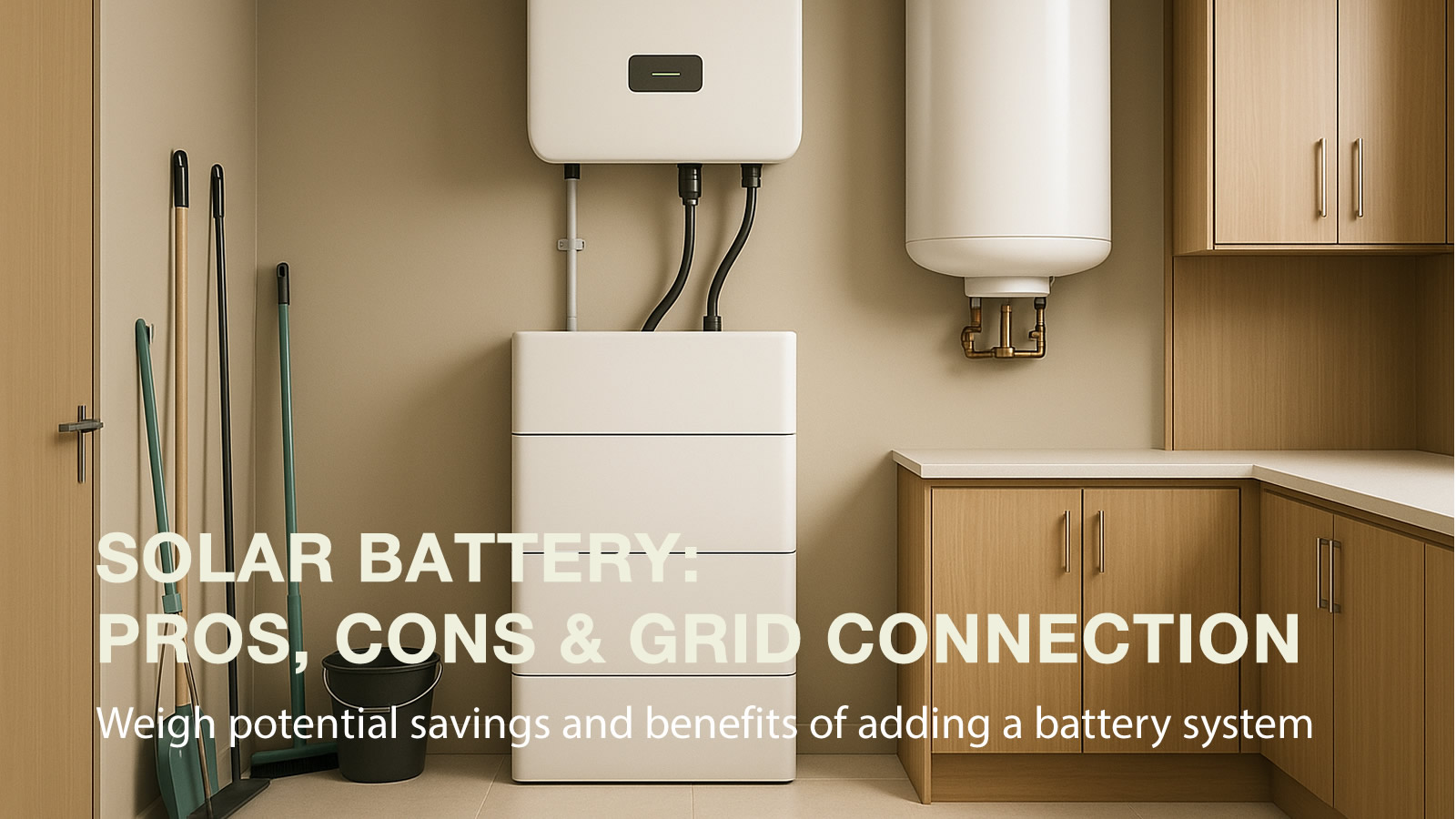
This guide helps you weigh the pros and cons of adding a home battery to your solar system in the UK. You will learn when batteries make sense, how to size one for typical homes, what affects payback, and what to expect on installation, maintenance, and warranties. By the end, you can decide with confidence whether a simple panel only setup is best, or whether a battery adds enough value to justify the extra cost.
Key benefits: savings, control, resilience
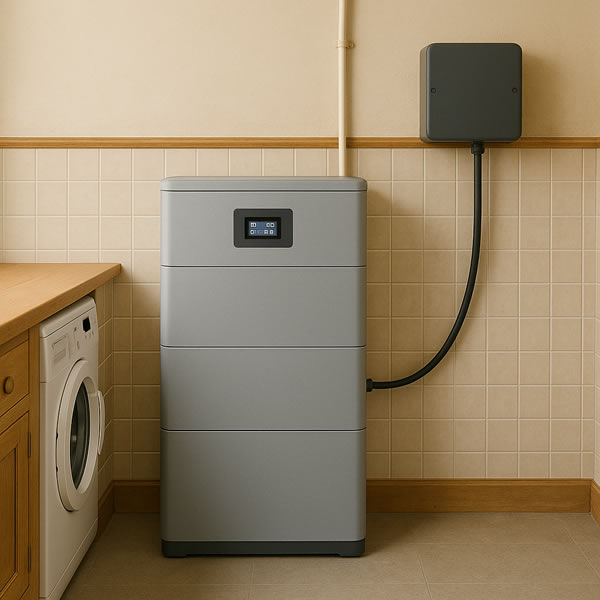
Use more of your own solar: Without a battery, surplus daytime solar is exported to the grid. A battery captures that surplus so you can use it in the evening, cutting grid imports at the times electricity often costs most. This raises your self consumption percentage and can materially lift annual savings.
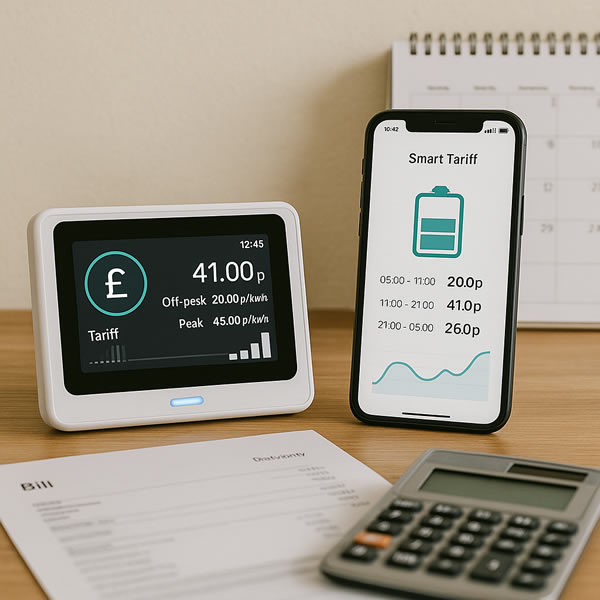
Time of use flexibility: On smart tariffs with cheap night rates, a battery can charge off peak in darker months and discharge during peak hours. This arbitrage can improve economics even when winter solar is modest, and it gives you more control over your bills.
Smoother daily usage: A battery reduces short spikes of grid import when kettles, ovens, or EV chargers briefly push demand up. That smoothing can help you stay on cheaper tariff structures and may ease the load on your main fuse during busy evening periods.
Optional backup: Some battery systems can power essential circuits during an outage, keeping lighting, broadband, and refrigeration running. If resilience matters, ask for this feature at quote stage because it affects design, hardware, and cost.
Key trade offs: cost, complexity, space
Upfront cost: A battery typically adds a notable sum to a solar quote. While combined installs are often cheaper than retrofits, the extra hardware and installation time increase payback years unless you have strong evening demand or a suitable smart tariff.
Round trip losses: Batteries are efficient but not perfect. Each charge and discharge cycle loses a small percentage of energy. Realistic planning accounts for this by focusing on net savings, not gross kWh shifted.
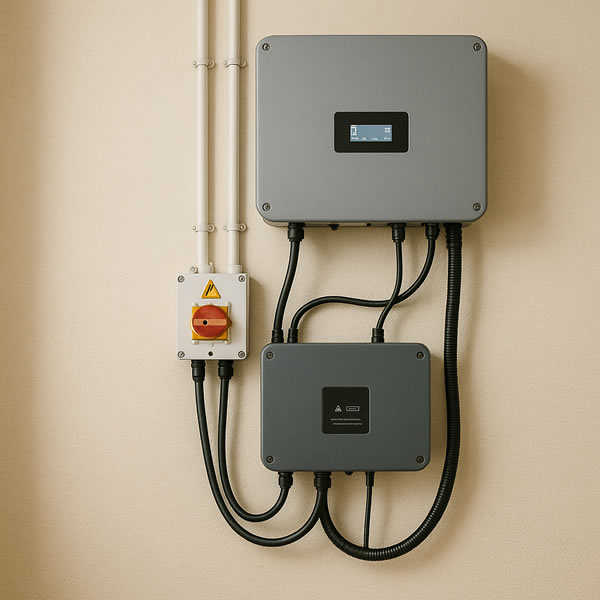
System complexity: Batteries add more components (BMU, BMS, additional isolators, CT clamps, gateway, and sometimes backup switches). Good design and tidy installation matter for performance and future service.
Space, noise, and siting: Wall or floor space is needed in a cool, dry, ventilated area like a utility room, garage, or suitable cupboard. Fans are usually quiet but audible at close range during heavy charge or discharge.
Right size and spec for a UK home
Match capacity to use: Many homes pair a 4.5 to 6.0 kWp array with an 8 to 10 kWh battery. Smaller homes may be well served by 5 to 7 kWh. Homes with EVs or heat pumps may consider 12 to 15 kWh. Aim to cover your evening and early morning usage most days without leaving the battery underused for long periods.
Power rating matters: Besides capacity (kWh), check the continuous and peak power (kW). A higher kW rating supports heavier loads and faster charging or discharging, which helps during short evening peaks and enables better use of cheap tariff windows.
AC vs hybrid: Hybrid inverters combine PV and battery control in one unit. AC coupled batteries work with almost any existing PV system. Hybrids can be neat on new installs; AC coupled can be ideal for retrofits or mixed systems.
Scalability and modules: Consider systems that allow adding more capacity later. Modular packs make upgrades easier if your usage grows, for example after buying an EV or installing a heat pump.
Tariffs, payback, and real world results
Start with usage: The biggest driver of battery value is how much evening and morning demand you can cover with stored solar across the year. Homes that are often occupied during the day may already self use a lot without a battery; homes that are out all day tend to benefit more.
Include tariff strategy: Time of use tariffs can lift value in winter by charging cheaply at night and discharging during peaks. Model this explicitly. Watch for standing charges, export rates, and any tariff rules around battery charging and exporting.
Account for lifecycle: Batteries have cycle and year warranties that guarantee a minimum usable capacity after a number of cycles or years. Include a conservative allowance for performance fade in long term calculations, and assume an inverter replacement during the wider system lifetime.
Avoid oversizing: Bigger is not always better. Oversizing can lengthen payback if the extra capacity rarely fills or empties. Prioritise a size that is well used on typical days, not just on perfect summer days.
Backup power and safety basics
Backup design: If you want backup, ask for a dedicated backup circuit that feeds essential loads only. Whole house backup is possible with the right hardware and permissions, but it is more complex and expensive. Confirm automatic switchover time and the maximum supported load in kW.
Compliance and ventilation: Follow manufacturer clearances, mounting rules, and ventilation guidance. Keep combustible materials away from battery units. Ensure all isolators are clearly labeled and accessible, and that commissioning and handover documents are provided.
Install quality, warranties, and care
Choose an experienced installer: Battery systems require careful design of CT clamps, firmware, and grid settings to avoid missed charging windows or poor metering. Ask for recent battery references and photos of comparable jobs.
Warranties to check: Battery pack years and cycles, inverter years, any gateway or controller warranty, and workmanship warranty. Confirm who handles warranty claims and typical response times. Keep your proof of purchase and serial numbers handy.
Care and upkeep: Most systems are low maintenance. Keep vents clear, watch for alerts in the app, and schedule a periodic health check with your installer. Firmware updates can improve performance and tariff integrations over time.
Battery decision and next steps
A home battery adds control and convenience, and can boost savings when sized well and paired with a good tariff. It does add cost and complexity, so take time to model your usage, choose the right capacity and power, and compare quotes line by line. If your goal is the shortest payback, panel only may be enough. If your goal is higher self use, evening savings, and optional backup, the right battery can be a strong upgrade.
Further reading & useful guides
Independent resources about home battery storage in the UK.